
Free the experts.
Automate the rest.
Hi, I’m Liam. I build software that gives skilled people more time to do the work only they can do.
Australian software engineer and architect, based in Utrecht, the Netherlands. I’ve been building production software since 2015.

The problem I kept seeing
Across the teams I’ve worked with, the same pattern keeps turning up. The person who understands a process best ends up holding it together. They answer the repeated questions, copy figures between systems, chase approvals, and keep fragile workflows alive through memory and goodwill.
It’s important work, and it falls to them because they can be trusted to get it right. But it crowds out the work that actually needs their judgement.
Automation that protects judgement
Automation gets sold as a way to remove people from a process entirely. Teams rarely want that. They want the repetitive parts handled, and the important decisions left with someone who understands them. The work stays visible, and it stays easy to escalate when something unusual happens.
A principle I work by
The better someone is at their job, the less time they should spend on work that does not need their judgement.
That’s how I approach it. I help teams find the work genuinely worth automating, and build systems they can understand and run, rather than black boxes they have to trust on faith.
What that looks like in practice
The goal stays constant: take avoidable friction off people’s plates. Depending on where the friction lives, that might mean:
- Fragile workflows
- Replace processes held together by browser tabs, spreadsheets and institutional memory.
- Internal tools
- Make routine work boring and repeatable so it stops demanding expert attention.
- AI-assisted workflows
- Build drafting, sorting and summarisation around explicit review and escalation.
- System connections
- Join tools that were never designed to communicate.
- End-to-end delivery
- Take an unclear problem through architecture and into production.
Built in the real world
Since 2015, I’ve built production software across internal platforms, developer infrastructure, policy governance and product interfaces.
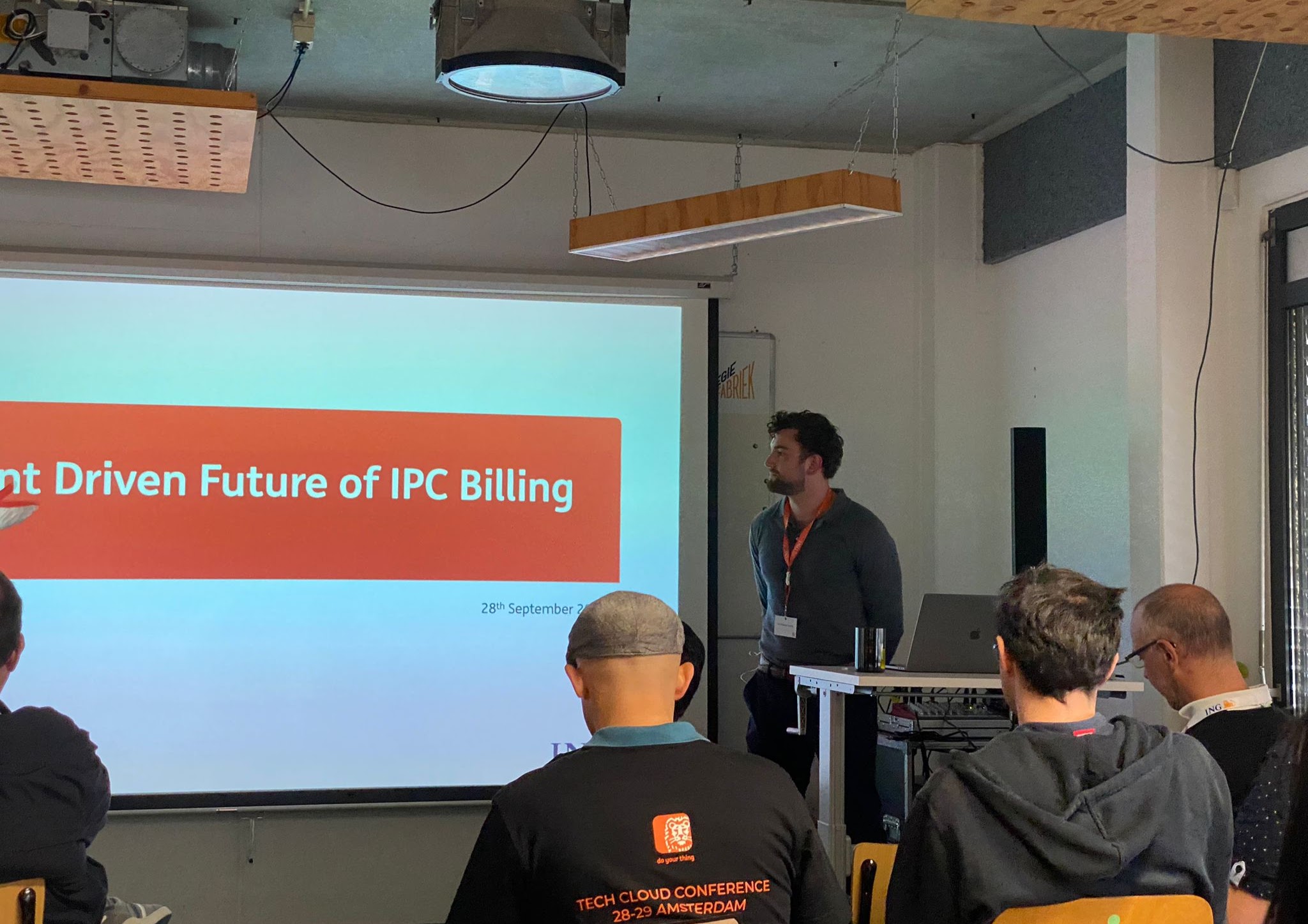
At ING, I work on systems inside a large regulated organisation, where reliability and explainability count as much as the idea itself.
I also build open-source tools in Rust, including raff and signal-kit; I wrote tree-sitter-wit, a WIT parser I later donated to the Bytecode Alliance.
When I’m not building
I’m Australian, I live in Utrecht with my fiancée, I play squash, and I’m usually building another side project.
The same instinct runs through all of it. When something costs me a few minutes every day, I’d rather fix it than get used to it.
Tell me what’s wasting your team’s time
Got a workflow that leans on copying, chasing, or re-explaining the same thing? Send me a short description. I’ll tell you whether automation would help, and I’ll say so if it won’t.